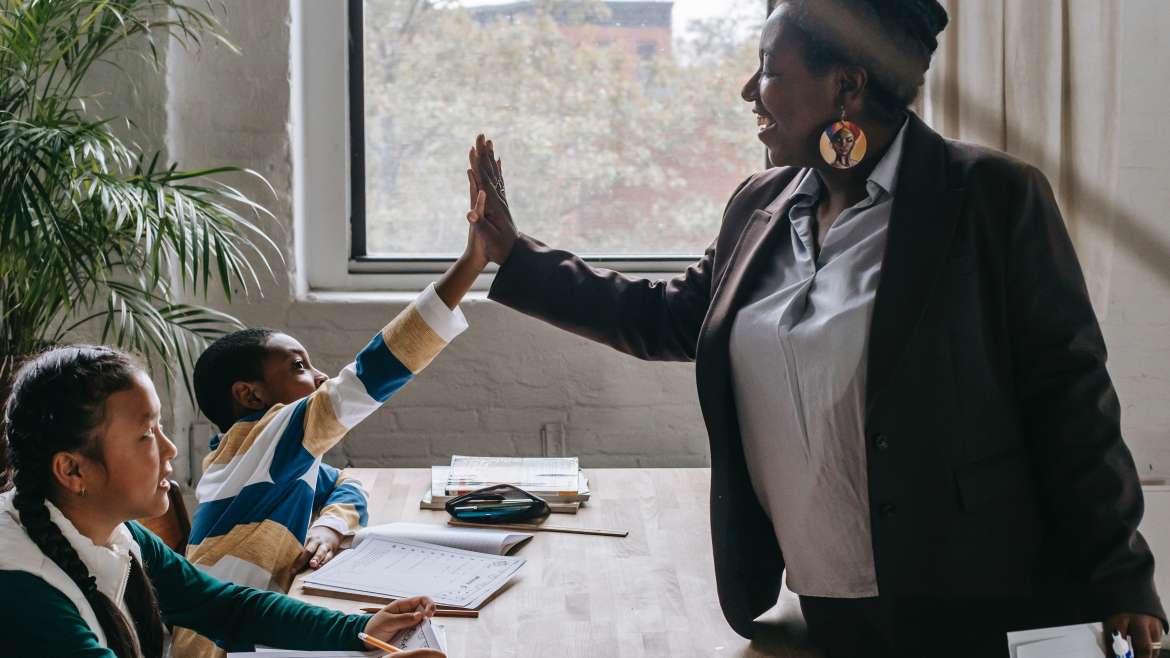
“Those Who Do Not Learn History Are Doomed to Repeat It.” One of the most notable quotes is that despite being referred to repeatedly for decades, there are so many instances where we as a society have chosen to ignore our history. Time and time again, we have seen and witnessed the consequences of this. Be it Climate change, Women’s Rights, Immigration, and most importantly, Civil Rights issues.
Understanding Historical Context
Context is defined as the circumstances that form the setting of an event. It is essentially the how and why things happen. Essentially the how and why. Understanding context as it relates to history helps us understand why things might be done the way they are today or why a group of people may find something to be offensive than other groups, which can help us as a society practice more sensitivity to that issue and find ways to be more accepting to different ideas opposite of our own.
Reactivity.vs. Proactivity
Which one do you think is better? Putting measures to prevent bad things from happening or doing something after something bad has already happened? Let’s talk about why one is better than the other. Reacting to something after it has already happened only allows us to remedy the symptoms of that problem. Whereas Proactivity are measures put in place to prevent something bad from happening. Or at least bringing the risk of injury or unfortunate events to a minimum.
Start the Conversation
Because the education system has a great deal of red tape on what can be taught in school, the conversation needs to start at home. You can start with asking your child questions on the topic to gauge their knowledge and overall understanding. This can help you figure out a good place to start a conversation. Communication with your child is so important. If you find yourself struggling with starting the conversation, you can find a video that talks about what you would like to introduce to your child and have a conversation with them to get their reaction from the video.
Introduce Learning Materials
Before you start the conversation, you will probably be inclined to do some research. Consider finding additional learning material that your child can watch and read. Younger children may find it beneficial to do fun activities centered around this new information, but it should not resemble schoolwork. Heavier topics mentioning death or other sensitive issues should have some follow-up with something light-hearted, so children don’t harbor negative feelings about what you are teaching them. It is important that the main focus around these conversations is to gift them with knowledge.
Be Ready for Questions
With newfound enlightenment comes curiosity. Children will have answers and should be encouraged to ask questions. This helps them gain further clarity on what is being discussed, but this can also help you gauge what they have taken from what you have discussed with them. This can also inspire your child to seek more information. This is a great thing and should be encouraged.
Our Offerings
Here at Renew’d Studio of Wellness Arts, we believe that having healthy conversations and educating our future leaders is one of the most important things we can do as their guardians. Our food tours and wellness classes cover a large variety of topics great for kick-starting the conversation on health, the environment, and civil rights issues, and other disparities plaguing our community. We encourage you to consider taking one with your child or with a group of friends to expand your knowledge, understanding, and overall wellness.